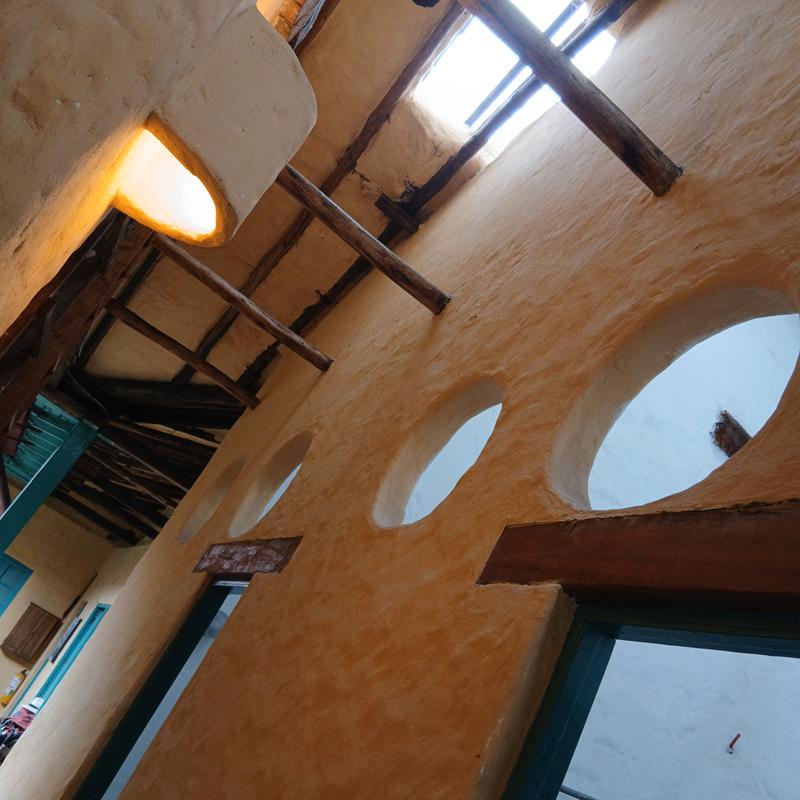
We published the entry forms for our competition in sustainable architecture in the summer of 2025. The deadline was ending in winter 2025. That gave our great international jury a tight time frame to skim the applications.
Our jury did not reach a clear decision on the winner. Some entries were quite controversial in fact. In such instances, Marita Schnepper decided to share the prize for sustainable and ecological architecture.
When the verdicts of the jury came in, we were already traveling through South America, collecting traditional examples of ecological architecture. That is why we are late to announce the winners of 2025 this time around.
What we did
We contacted hundreds of universities in 60 countries and over hundreds companies that work in the field of sustainable architecture. This time, the majority of entries reached us from Germany and Switzerland. Is there more interest in ecological architecture in this part of Europe? We do not know. Some universities might have more active networking facilities than others. Maybe young architects from Asia, Africa, the Americas or Australia think we are too far away. They are wrong. Everyone needs ecological architecture. We love to get their entries.
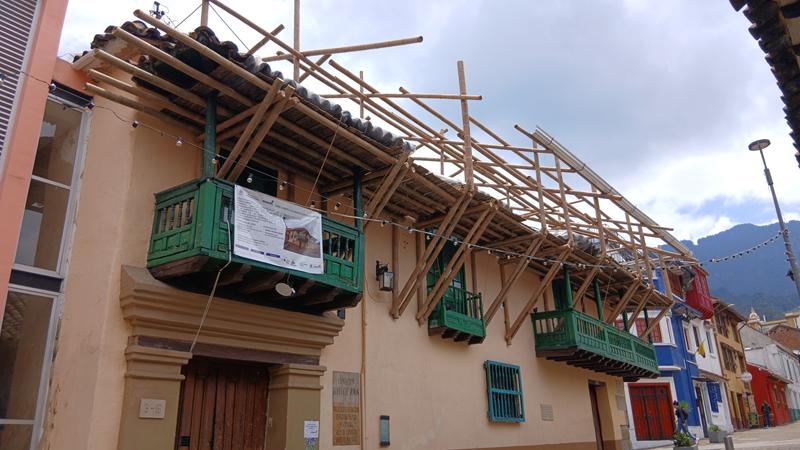
We are writing this from Candelaria, a colonial district of Bogota, Colombia, featuring beautifully restored structures.
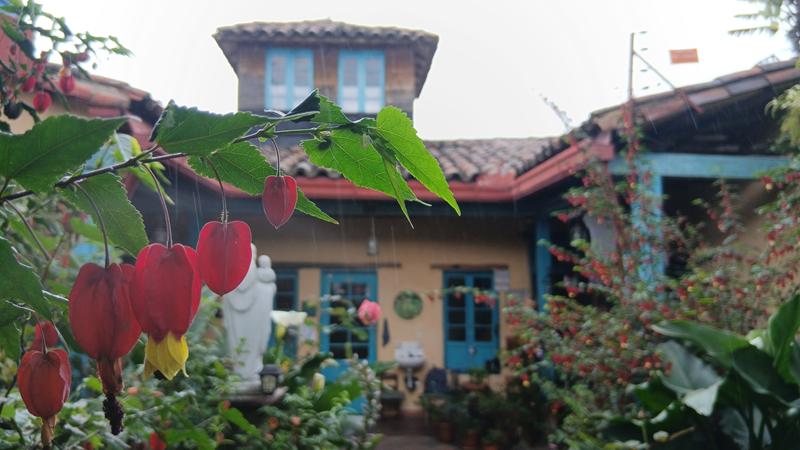
Here, in a 374 years old adobe complex that boasts all amenities of modern life, we are surrounded with hummingbirds swirling around blooming flowers, drinking from their nectar while drops of water from the recent rainfall run over leaves into garden pools. It feels similar to the garden in the Viennese apartment of Marita Schnepper, save the Colibris.
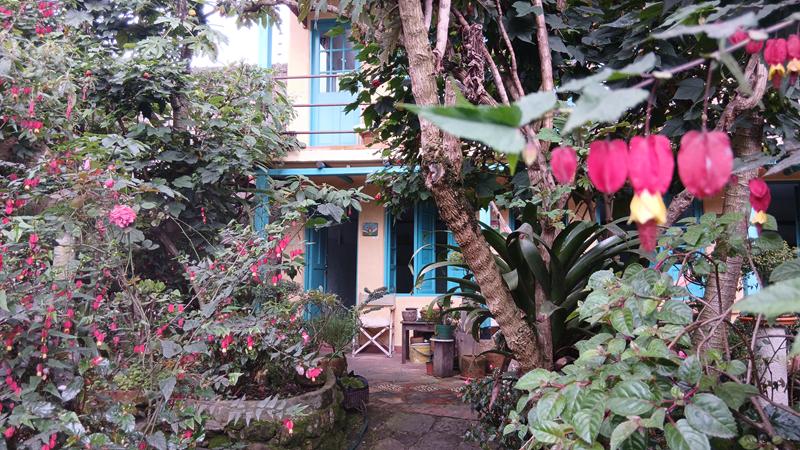
Being here teaches us something we already know deep down in our heart. Ecological architecture does not just feature the smarter use of resources by combining tradition and modernity. It does not only provide modern ways to live comfortably without the daily hassle of strenuous travel for work, shopping and entertainment. Most of all it can bridge the ever widening gap between modern life and nature. The Financial Times calls it “the complex threshold between nature and culture.”
In this maze of colorful garden courts, made of wood and adobe walls, creating a quiet shared space for plants, animals and humans alike, it is our pleasure to announce the winners of the Marita Schnepper Award 2025.